Gambling Commission Rolls Out Staged Financial Risk Assessments for Online High-Spenders
Ines Günther · Jul 12, 2026

Gambling Commission Rolls Out Staged Financial Risk Assessments for Online High-Spenders
The UK Gambling Commission has confirmed plans to introduce Financial Risk Assessments through a streamlined and staged rollout aimed at identifying high-spending online customers who may face financial difficulties. This initiative builds directly on extensive pilot programs and seeks to strengthen consumer protections under the Gambling Act 2005 while minimizing unnecessary disruptions for the majority of players who do not exhibit elevated risk patterns.Background to the Policy Development
Observers note that the Commission developed this framework after reviewing data from multiple pilot exercises conducted with licensed operators. Those pilots tested methods for detecting financial stress signals among customers placing larger bets or deposits over time. The staged approach emerged as the preferred method because it allows operators to apply checks progressively rather than imposing uniform requirements on every account. Data from the pilots showed that targeted interventions could flag potential issues early without affecting routine play for most users.
Details of the Staged Implementation
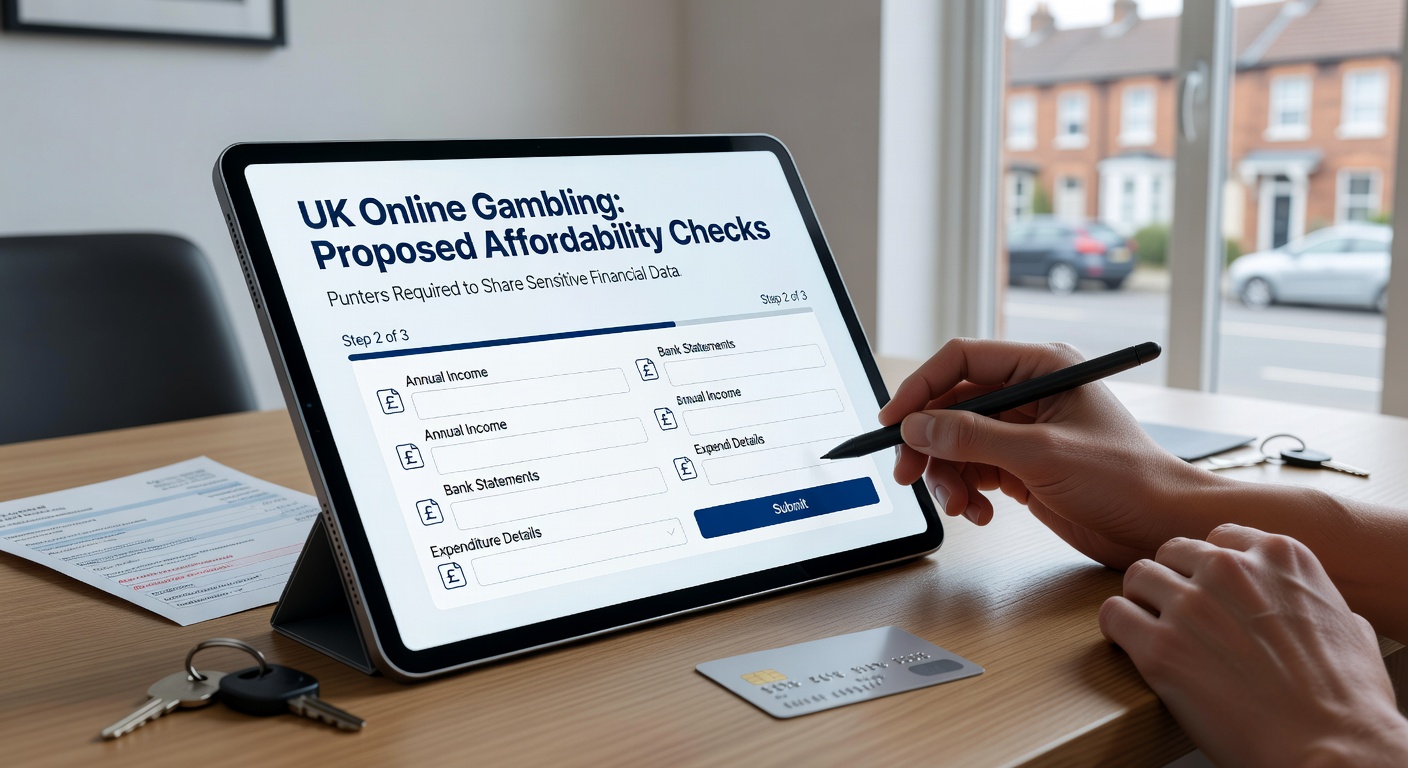
The rollout will proceed in phases beginning with higher-risk customer segments before expanding to broader groups. Initial stages focus on customers whose spending patterns exceed defined thresholds within set periods. Operators must then assess whether those patterns indicate financial vulnerability and offer appropriate support measures where needed. Subsequent stages incorporate feedback from the first phase to refine assessment criteria and reduce false positives. This measured progression ensures systems remain efficient while meeting regulatory expectations outlined in the Gambling Act 2005.
Key Elements of the Assessments
- Identification of high-spending accounts through transaction monitoring
- Evaluation of spending against available indicators of financial difficulty
- Provision of support options such as spending limits or referrals to advice services
- Documentation requirements for operators to demonstrate compliance
Figures from the pilot phase indicate that a significant portion of flagged accounts responded positively to early support interventions. The Commission expects the staged model to maintain those benefits while scaling across the wider online sector. Operators receive clear guidance on thresholds and timelines to prepare their systems accordingly.
Alignment with Existing Legislation
The new assessments operate within the framework established by the Gambling Act 2005, which places responsibility on licensees to protect vulnerable customers. The Commission has emphasized that the assessments complement rather than replace existing responsible gambling tools. Licensees must integrate the checks into their broader compliance programs while ensuring they do not create barriers for customers whose activity remains within normal parameters. This balance reflects the Commission's stated goal of enhancing protections without imposing blanket friction on the player base.
Operator Responsibilities and Preparation
Licensed operators have received detailed instructions on how to implement the assessments in line with the staged timetable. They must update their risk monitoring systems, train staff on the new procedures, and establish clear escalation paths when assessments identify concerns. The Commission continues to work with industry representatives to address practical questions that arise during preparation. Updates on progress appear regularly through official channels, including the news announcement published on the regulator's site.
Expected Outcomes and Monitoring
Early indications from the pilots suggest the approach can reduce the incidence of customers continuing to gamble while experiencing financial strain. The Commission will track key metrics such as the number of assessments conducted, support measures applied, and subsequent changes in customer behavior. Regular reviews will determine whether adjustments to thresholds or procedures become necessary. This ongoing evaluation process allows the framework to evolve based on real-world performance rather than remaining static after launch.
Conclusion
The introduction of Financial Risk Assessments through a staged process marks a targeted evolution in the Commission's regulatory toolkit. By building on pilot evidence and focusing resources where risk indicators appear strongest, the measures aim to deliver meaningful protections under the Gambling Act 2005. Operators and customers alike will encounter a system designed for precision, with checks applied only when spending patterns warrant further attention. Implementation continues according to the published timetable, with further refinements expected as operational data accumulates.