Toolbox Tactics: Leveraging Advanced Calculators and Trackers for Precision in Cross-Sport Betting Portfolios
Ines Hughes · May 17, 2026
Toolbox Tactics: Leveraging Advanced Calculators and Trackers for Precision in Cross-Sport Betting Portfolios
Advanced calculators and portfolio trackers have become central tools for bettors managing positions across football, horse racing, basketball, and other disciplines, where data from multiple markets converges into unified performance overviews. These systems process live odds feeds, historical results, and stake allocations simultaneously, allowing adjustments that align with shifting probabilities rather than isolated event analysis. Observers note that platforms integrating such tools often support multi-sport dashboards which consolidate data streams from different leagues and tracks into single interfaces, reducing the time required to identify discrepancies between bookmakers.
Core Functions of Betting Calculators
Calculators designed for cross-sport use evaluate implied probabilities, expected values, and optimal stake distributions while accounting for varying commission rates and payout structures that differ between football accumulators and thoroughbred place markets. Researchers at institutions studying gambling systems have documented how these programs incorporate variables such as margin percentages and correlation factors between events, enabling users to model outcomes across unrelated sports without switching between separate applications. Data from industry reports indicates that operators began expanding calculator features around 2023 to include real-time hedging options, a development that gained further relevance as regulatory reviews approached in several jurisdictions during 2026.
One common implementation allows input of opening odds alongside current movements, then outputs suggested bet sizes that maintain overall portfolio exposure within predefined limits. Those who have examined these systems report that the underlying algorithms draw on statistical models originally developed for financial portfolio management, adapted here to handle the unique volatility patterns found in live sports betting. And because markets in different sports rarely move in perfect sync, the calculators frequently highlight arbitrage windows that appear only when football and racing odds are viewed together.
Portfolio Trackers and Their Integration
Trackers extend calculator capabilities by logging every position, monitoring profit and loss across accounts, and generating alerts when exposure thresholds are approached. These programs connect directly to bookmaker APIs in many cases, pulling settlement data automatically so that users maintain accurate records without manual entry. Figures released by gambling research groups show steady adoption of such trackers among professional operators handling volume across continents, particularly as multi-currency support became standard on major platforms.
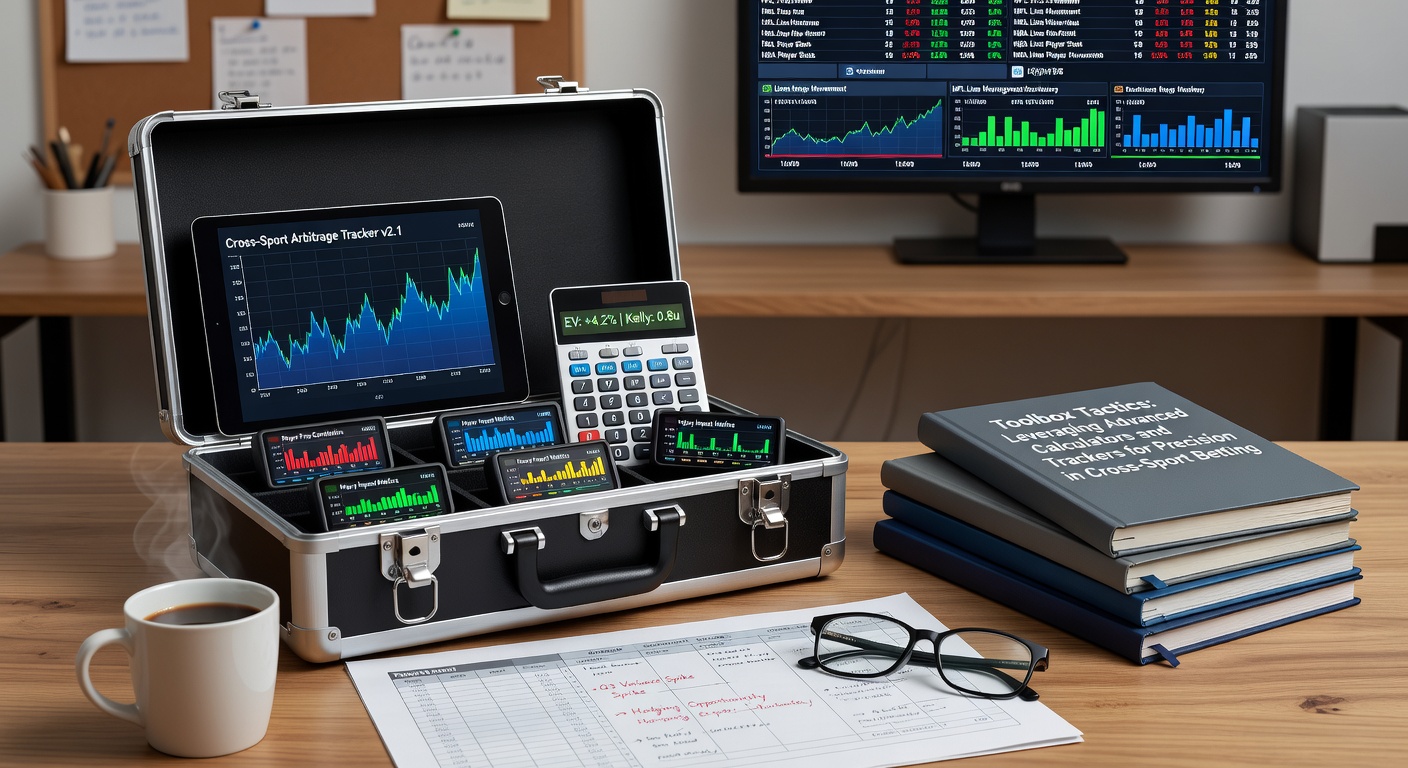
Integration with external data sources further strengthens these tools. Trackers often pull weather reports for racing fixtures, injury updates for football squads, and pace figures for basketball contests, layering contextual information onto numerical models. Experts have observed that this combination helps users adjust stakes before markets fully react to new information. During periods of regulatory change, including the restructuring timelines set for May 2026 in parts of the British betting sector, trackers also assist in documenting compliance with responsible gambling limits by flagging accounts nearing daily or weekly caps.
Cross-Sport Applications and Practical Examples
Bettors who combine football outright markets with horse racing ante-post bets frequently rely on these calculators to balance risk because the two disciplines exhibit low correlation in outcome drivers. A tracker might reveal that a large position on a Premier League title contender has created excess exposure, prompting a smaller hedge on a Grand National contender whose odds have shortened. Studies compiled by academic groups examining gambling behavior confirm that systematic use of such tools correlates with more consistent record-keeping, though results vary according to individual discipline and market access.
What's interesting is how some platforms now embed these calculators directly into live betting interfaces, allowing instant recalculation when odds shift during an in-play football match or as horses approach the final furlong. Industry organizations tracking technology adoption have noted that this seamless access reduces latency between decision and execution, a factor that matters when multiple sports events overlap in the same evening. Yet the effectiveness still depends on the quality of the underlying data feeds, which vary between operators and regions.
Regulatory Context and Tool Evolution
Regulatory bodies in Australia and Canada have published guidelines encouraging operators to provide transparent tools for bettors managing complex portfolios, a move that aligns with broader efforts to promote informed participation. As market consolidation continued into 2026, several major platforms expanded their calculator suites to include scenario modeling for potential tax implications and withdrawal timing across jurisdictions. Those monitoring these developments point out that tools capable of handling cross-border currency fluctuations gained particular attention following the introduction of new settlement reporting requirements in multiple territories.
Conclusion
Advanced calculators and trackers continue to shape how portfolios spanning football, horse racing, and other sports are constructed and maintained. Their capacity to synthesize live data, historical trends, and risk parameters into actionable outputs has made them standard components on many platforms. As regulatory environments evolve through 2026 and beyond, these tools are expected to incorporate additional compliance features while preserving the core precision that users seek when balancing positions across diverse markets.